Dr. Lauro Amezcua-Patino, MD, FAPA
Where neurological injury meets behavioral health.
Board-certified psychiatrist and neuropsychiatrist with more than 30 years helping patients navigate TBI, PTSD, and complex neurobehavioral conditions — with forensic review expertise and bilingual care for Arizona communities.
Download expert profile (PDF)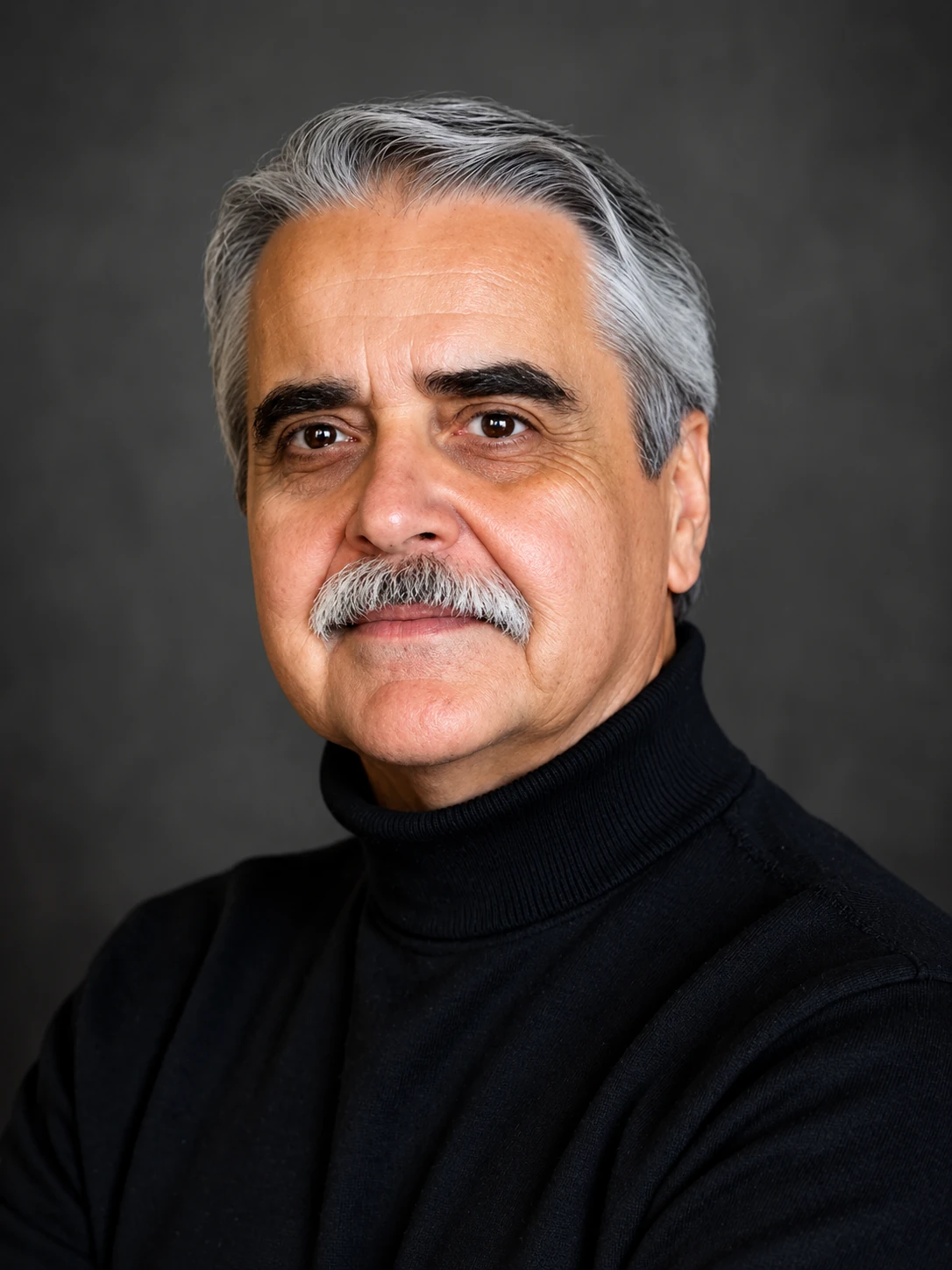
Injury and behavior, interpreted together.
After head trauma, patients often experience both physical and psychiatric symptoms. Dr. Amezcua-Patino's neuropsychiatric training is designed to bridge those domains so care is not fragmented across silos.
Neurological injury lens
How head trauma and functional brain changes may present — using clinical history and, when appropriate, objective brain-function data.
- Traumatic brain injury and post-concussion symptoms
- Objective brain-function data via qEEG when clinically appropriate
- Neuropsychiatric effects of head trauma
- Coordination with neurology and rehabilitation partners
Psychiatric & behavioral lens
How mood, trauma response, attention, and behavior can shift after injury — and how that overlap shapes recovery planning.
- PTSD and trauma-related behavioral change
- Mood, anxiety, and cognitive-emotional overlap after injury
- Child-adolescent and adult psychiatric populations
- Family-centered communication and care planning
Physician oversight that connects assessment to care.
As a clinical leader affiliated with Neuron Connect and as CEO & Medical Director of the Metropolitan Neuro Behavioral Institute, Dr. Amezcua-Patino helps ensure complex cases receive thoughtful, multidisciplinary review.
Clinical history & presentation
Review injury context, symptom timeline, and prior evaluations to frame what the brain and behavior may be telling us.
Functional assessment
When indicated, qEEG brain mapping and clinical measures help characterize functional patterns — complementary to, not a replacement for, medical diagnosis.
Integrated interpretation
Neurological injury and psychiatric/behavioral impact are considered together so care plans address the whole person.
Physician-guided planning
Oversight supports individualized neurofeedback and recovery pathways under multidisciplinary clinical leadership.
For attorneys, referring physicians, and families
Dr. Amezcua-Patino serves as a trusted expert witness and medical consultant in personal injury and forensic matters. He interprets clinical findings — including qEEG when used — to provide clear, data-informed insights for case teams.
His role is educational and clinical: to help others understand neuropsychiatric presentation after injury. Nothing in this profile promises litigation outcomes or replaces independent medical or legal judgment.
Three decades of neuropsychiatric practice.
Fluent in English and Spanish, he helps more patients and families participate fully in informed, collaborative care across Arizona.
Need neuropsychiatric insight after injury?
Our coordinators can help you schedule an evaluation and discuss how physician-guided care may support recovery.
Attorney-lien friendly. Se Habla Español. Multiple Arizona locations.