See what standard scans miss. Map the disruption.
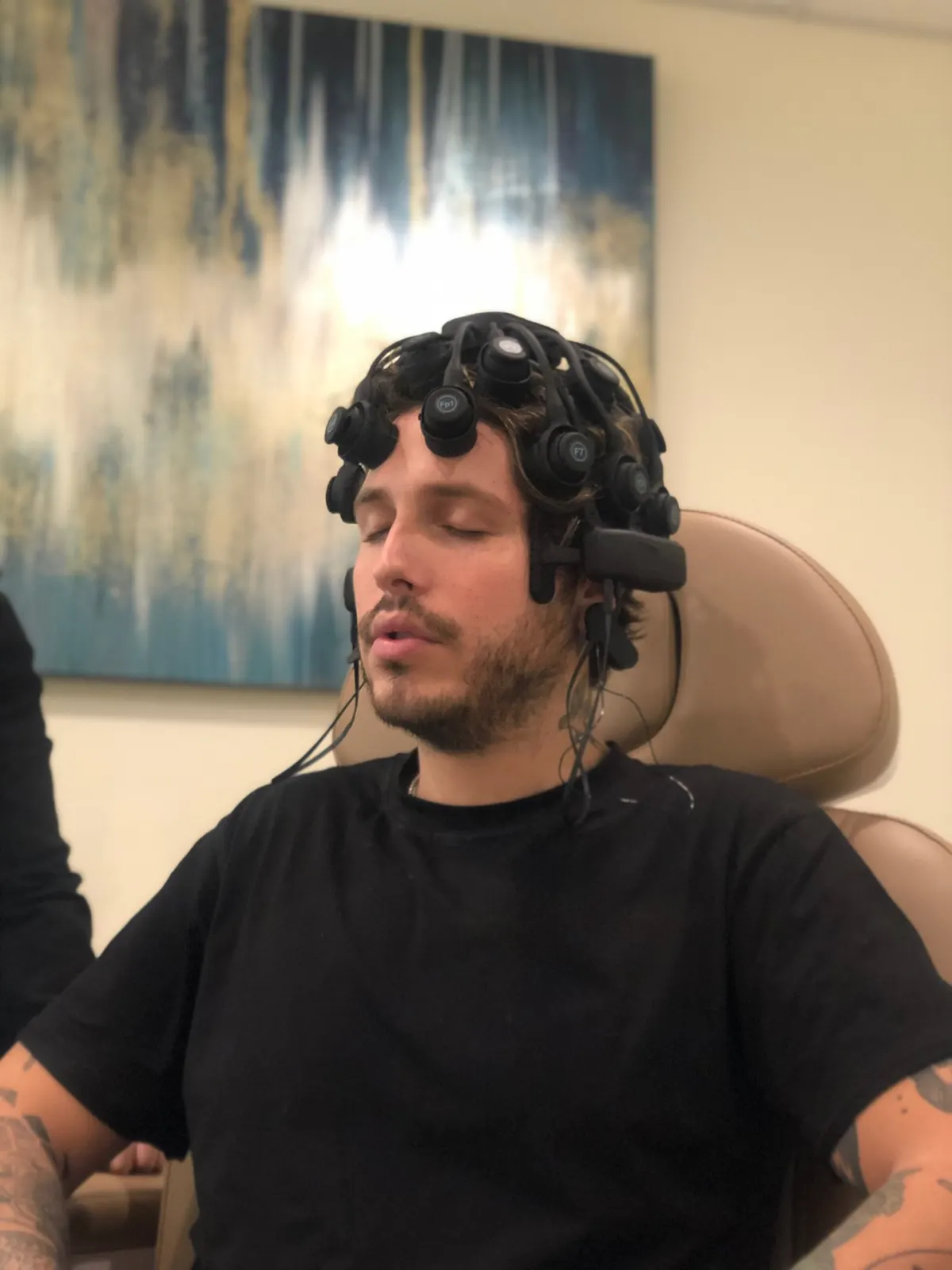
A concussion primarily affects how neurons communicate, not just brain structure. Our qEEG brain mapping visualizes that functional disruption and targets it with neurofeedback, designed to support recovery at the root cause.
Functional Mapping
What MRI and CT scans miss
Standard scans look at structure. We map function.
MRI and CT scans visualize anatomy. A concussion or TBI primarily disrupts how neurons communicate, a functional injury that standard imaging often misses entirely.
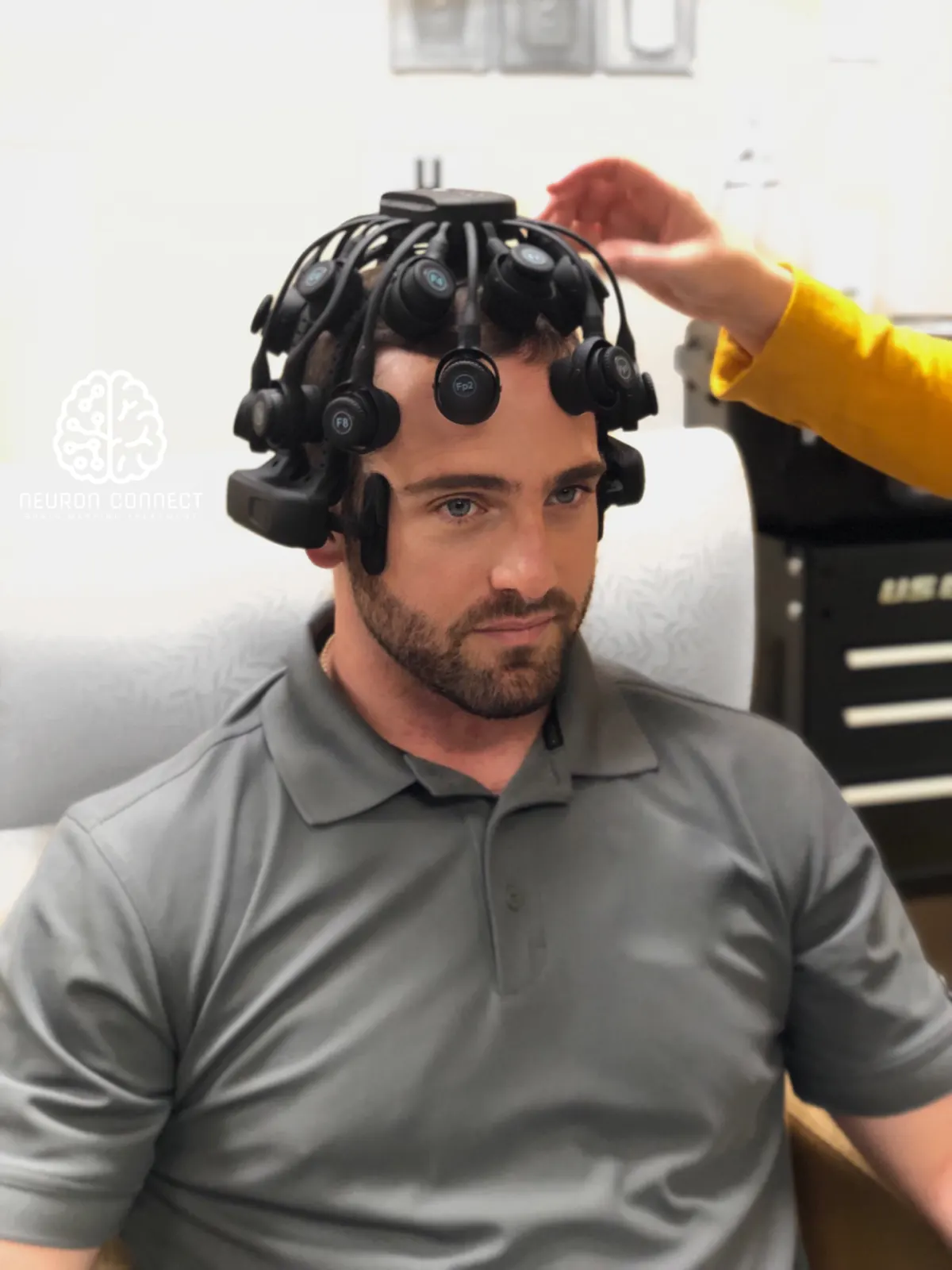
qEEG brain mapping records your brainwave activity and shows precisely where frequencies are overactive or underactive. That data becomes the blueprint for a neurofeedback protocol designed to support your recovery.
Functional Mapping
Visualizing the electrical disruption invisible to MRI and CT.
Neuroplasticity Support
Neurofeedback designed to encourage healthy new pathways.
Objective Documentation
Quantitative data that supports your recovery and legal case.
Post-concussion syndrome shows up in many ways.
We target the neuro-regulation at the source of these challenges, not just the symptoms.
Cognitive
- Brain Fog and Confusion
- Memory Problems
- Lack of Focus
- Executive Dysfunction
Physical
- Persistent Headaches
- Dizziness and Vertigo
- Sleep Disturbances
- Light and Sound Sensitivity
Emotional
- Increased Irritability
- Anxiety and Panic
- Depression and Low Mood
- Emotional Outbursts
How brain mapping guides your concussion recovery.
Want a deeper look at what to expect? Read our guide: Brain Mapping for Concussions, written for injury clients navigating recovery.
Mapping
A painless qEEG identifies the exact brainwave frequencies disrupted by the injury.
Regulation
Neurofeedback trains your brain to down-regulate overactive patterns and restore clarity.
Sustain
Repeated training builds stable neural connections for lasting symptom relief.
Attorney-lien coordination, handled seamlessly.
If you have been in an accident, your focus should be on recovery, not financial stress. We accept attorney liens so you can receive expert care without upfront out-of-pocket costs while your case is pending.
- Direct coordination with your legal team
- Comprehensive medical reporting for your case
- Objective qEEG data as clinical evidence
- No medical bills until your case settles
Objective Evidence
"One of the biggest hurdles in a TBI case is proving the injury. qEEG Brain Mapping provides objective evidence of brainwave dysregulation that correlates directly with the patient's symptoms."
Robert Thatcher, PhD
NeuroGuide Developer, Neuroscience Advisor
Take the Brain Checklist before your consultation.
Identify your post-concussion symptoms and help our clinical team prepare a personalized assessment. Takes about five minutes.
- Track post-injury symptoms
- Prepare for brain mapping
- Private and confidential
- Takes 5 minutes
Why do concussion symptoms linger after scans look normal?
Standard neuroimaging — MRI and CT scans — is designed to detect structural damage: bleeding, swelling, or visible lesions. In a typical concussion, no such structural damage exists. What changes is how neurons communicate. The physical forces of a concussion disrupt the brain's electrical signaling pathways, creating widespread brainwave dysregulation that standard imaging cannot capture.
This is the diagnostic gap that explains post-concussion syndrome. The scan looks normal, but the brain is not functioning normally. Patients frequently hear that nothing is wrong. Yet they still experience cognitive fog, fatigue, headaches, and emotional dysregulation weeks or months after the initial injury.
qEEG brain mapping measures electrical activity directly, detecting the abnormal frequencies and connectivity patterns that correlate with post-concussion symptoms. Rather than guessing, clinicians can see precisely which brain regions are producing dysregulated signals and target those areas with neurofeedback training. Learn how qEEG brain mapping works.
What the research says
A comprehensive 2008 review by Thornton and Carmody, published in Applied Psychophysiology and Biofeedback, compared multiple TBI rehabilitation approaches — computer-based cognitive training, cognitive strategies, medications, and qEEG-guided neurofeedback. The analysis found that QEEG-guided biofeedback produced the largest effect sizes for cognitive improvements, including auditory memory and attention. These gains also showed greater longevity compared to other intervention types. Thornton & Carmody, 2008 (PubMed)
The authors noted that individualizing protocols based on each patient's specific QEEG deviation from normative data was a key factor in outcomes. This aligns with the personalized, map-first approach used at Neuron Connect.
Research findings vary across individuals and injury severity. The citation above reflects study outcomes and does not guarantee results for any specific patient.
What a typical protocol looks like
Concussion recovery at Neuron Connect begins with a qEEG brain map that serves as both a clinical baseline and a diagnostic tool. The map identifies which frequency bands are dysregulated. These often include excess slow-wave activity in injured regions, or hyperactive high-frequency patterns from the brain's compensatory response.
A personalized neurofeedback protocol is then designed to target the disrupted regions. Most concussion and TBI clients complete between 20 and 40 sessions, scheduled two to three times per week, with each session lasting approximately 30 to 60 minutes. Follow-up qEEG assessments are performed periodically to track neurological recovery and confirm that training targets are producing the expected normalization of brainwave patterns.
For clients in personal injury cases, the qEEG data from each assessment stage provides objective documentation of neurological status and progression over time. This is useful for attorneys and insurers evaluating the impact of an injury.
The information on this page is for educational purposes and is not a substitute for professional medical advice, diagnosis, or treatment. Always consult a qualified healthcare provider about your specific situation.
Don't let post-concussion symptoms wait.
Our clinical team is ready to map your brain, build a targeted recovery plan, and coordinate with your legal team if you have a personal-injury case.
Attorney-lien friendly. Se Habla Español. Multiple Arizona locations.