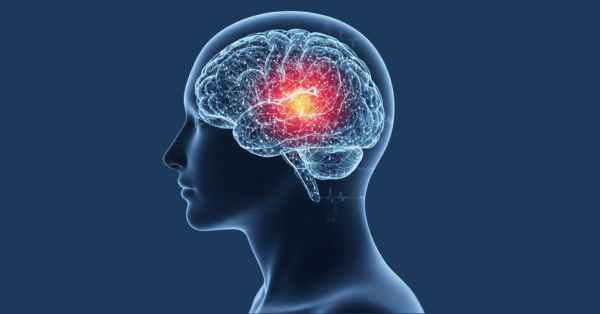
After an accident or fall, you might feel “off” even if scans like MRIs come back normal. That lingering brain fog, memory trouble, or emotional imbalance could be the result of a concussion.
Overview
After an accident or fall, you might feel “off” even if scans like MRIs come back normal. That lingering brain fog, memory trouble, or emotional imbalance could be the result of a concussion. At Neuron Connect, we use qEEG brain mapping to pinpoint exactly how a concussion affects your brain—so we can help you heal smarter.
What Is Brain Mapping (qEEG)?
Quantitative EEG (qEEG) is a painless, non-invasive scan that tracks your brain’s electrical activity. Unlike traditional imaging, it doesn’t just look at structure—it reveals how your brain is actually functioning.
A qEEG creates a visual map of your brainwave activity, highlighting areas that are:
Overactive (causing anxiety, headaches, or overstimulation)
Underactive (contributing to fogginess, poor focus, or mood issues)
Why Is Brain Mapping So Important After a Concussion?
Concussions are a form of mild traumatic brain injury (m TBI). Symptoms can include:
These symptoms often don’t show up on MRIs or CT scans, but they do appear in qEEG results.
Trouble concentrating
Memory lapses
Irritability or depression
Difficulty sleeping
How Brain Mapping Supports Injury Recovery
Provides Objective Evidence of Brain Dysfunction Helps validate your symptoms for both medical and legal purposes.
Guides Neurofeedback Treatment Allows your provider to customize neurofeedback sessions based on your actual brain patterns.
Tracks Your Progress Over Time See your improvement visually as symptoms decrease and brainwaves normalize.
Who Benefits from qEEG After a Concussion?
Car accident victims
Slip-and-fall or work-related head injuries
Athletes recovering from sports concussions
Anyone struggling with post-concussion syndrome symptoms
Your Brain Recovery Starts Here
Concussions are a form of mild TBI. At Neuron Connect, our expert clinicians use brain mapping to design personalized neurofeedback therapy plans that get results – safely and drug-free.
Still not feeling like yourself after a concussion?
Schedule your qEEG brain map at Neuron Connect today
neuron-connect.com
References:
Schoenberger, N. E., et al. (2001). Neurofeedback Training for TBI: Improvements in Attention and Memory. Journal of Head Trauma Rehabilitation.
Hammond, D. C. (2011). What is Neurofeedback: An Update. Journal of Neurotherapy.