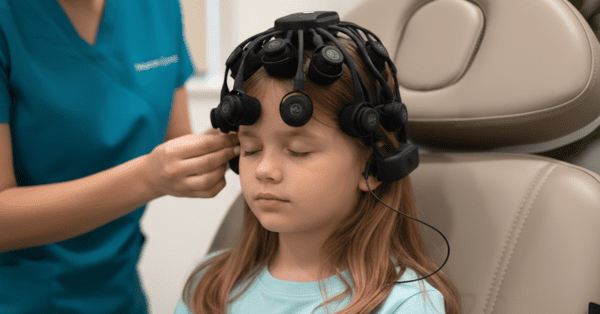
Can Neurofeedback Help Manage ADHD Without Medication?
For many families, managing ADHD feels overwhelming. Medication is often the first recommendation—but not everyone wants to rely on prescriptions long-term.
Mar 17, 2026Read
For many families, managing ADHD feels overwhelming. Medication is often the first recommendation—but not everyone wants to rely on prescriptions long-term.

Neuron Connect was built on a simple but powerful idea: when you understand how the brain is functioning, you can change lives.
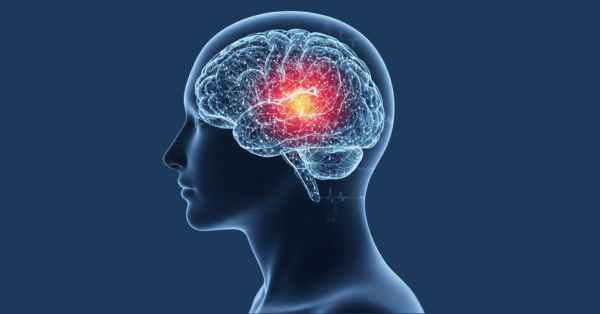
After an accident or fall, you might feel “off” even if scans like MRIs come back normal. That lingering brain fog, memory trouble, or emotional imbalance could be the result of a concussion.
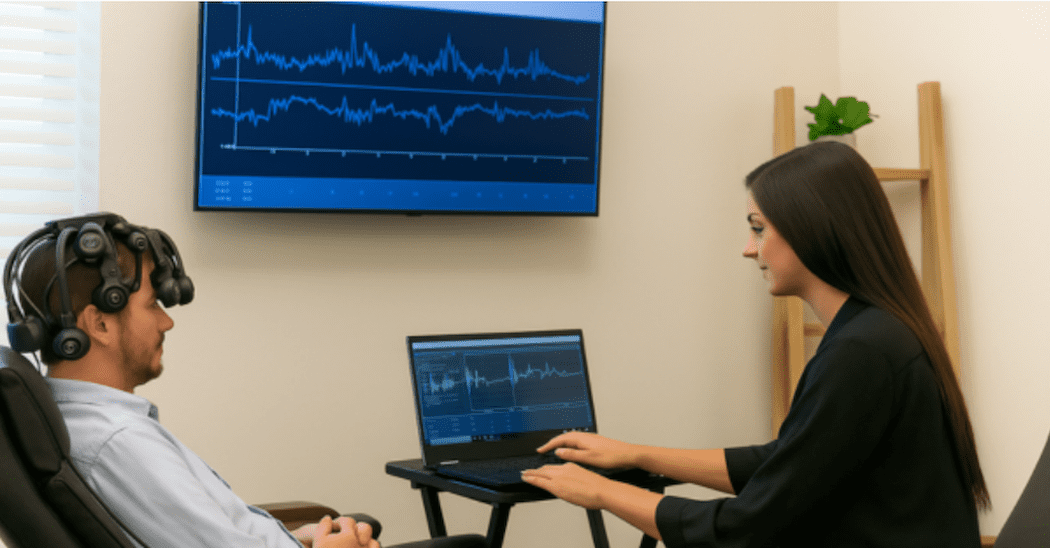
Car accidents don’t just leave physical injuries—they often leave emotional and neurological scars too. From lingering anxiety and sleep issues to brain fog and chronic pain, many accident survivors struggle long after the crash.
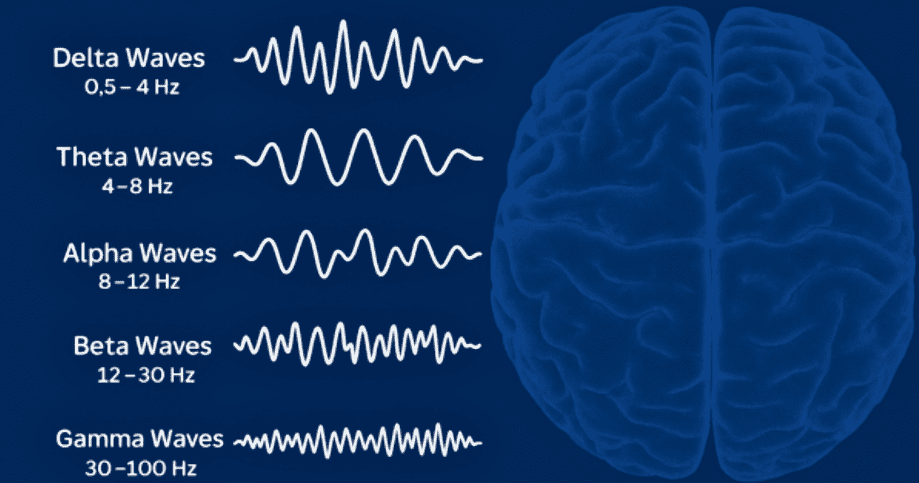
Your brain is constantly buzzing with electrical activity. These signals—called brain waves—influence how you feel, think, and function every single day.
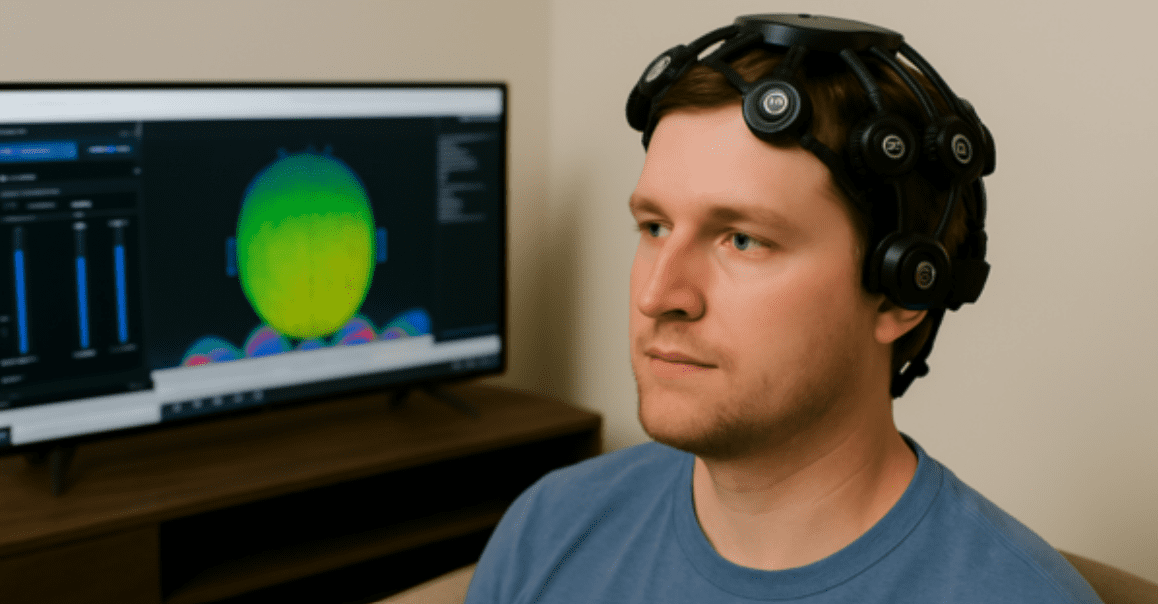
Struggling with ADHD? You’re not alone—and there’s hope beyond medication. Neurofeedback therapy is emerging as a powerful, non-invasive option that helps train the brain to improve focus, reduce impulsivity, and support long-term behavioral change.
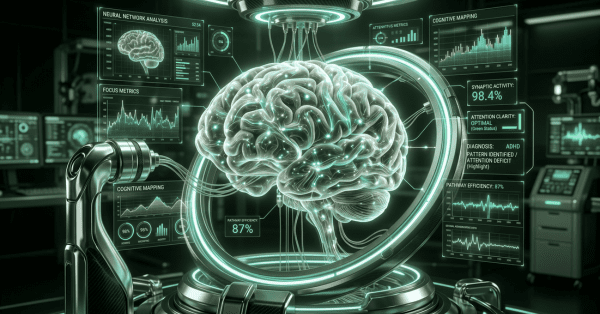
Trauma leaves lasting imprints not only on the emotional state of a person but also on their brain’s physiological structure.