Trauma lives in the nervous system. We help your brain find safety again.
Our clinical team combines neurofeedback with EMDR-informed counseling to help your brain move from a survival state back to a thriving state, guided by objective qEEG data.

Compassionate care
Science meets human warmth
Why your brain stays stuck in survival mode.
When you experience a traumatic event, your brain's limbic system can get locked in a state of high alert. This is why you feel jumpy, have trouble sleeping, or experience flashbacks long after the event has passed.
Talk therapy addresses the content of trauma. Neurofeedback and EMDR address the biological response: helping your brain shift from "survival" back into "thriving."
Hyper-Arousal
Feeling perpetually on edge, irritable, or unable to relax.
Dissociation
Emotional numbness, disconnection, or feeling shut down.
Emotional Triggers
Intense physical or emotional responses to reminders of the event.
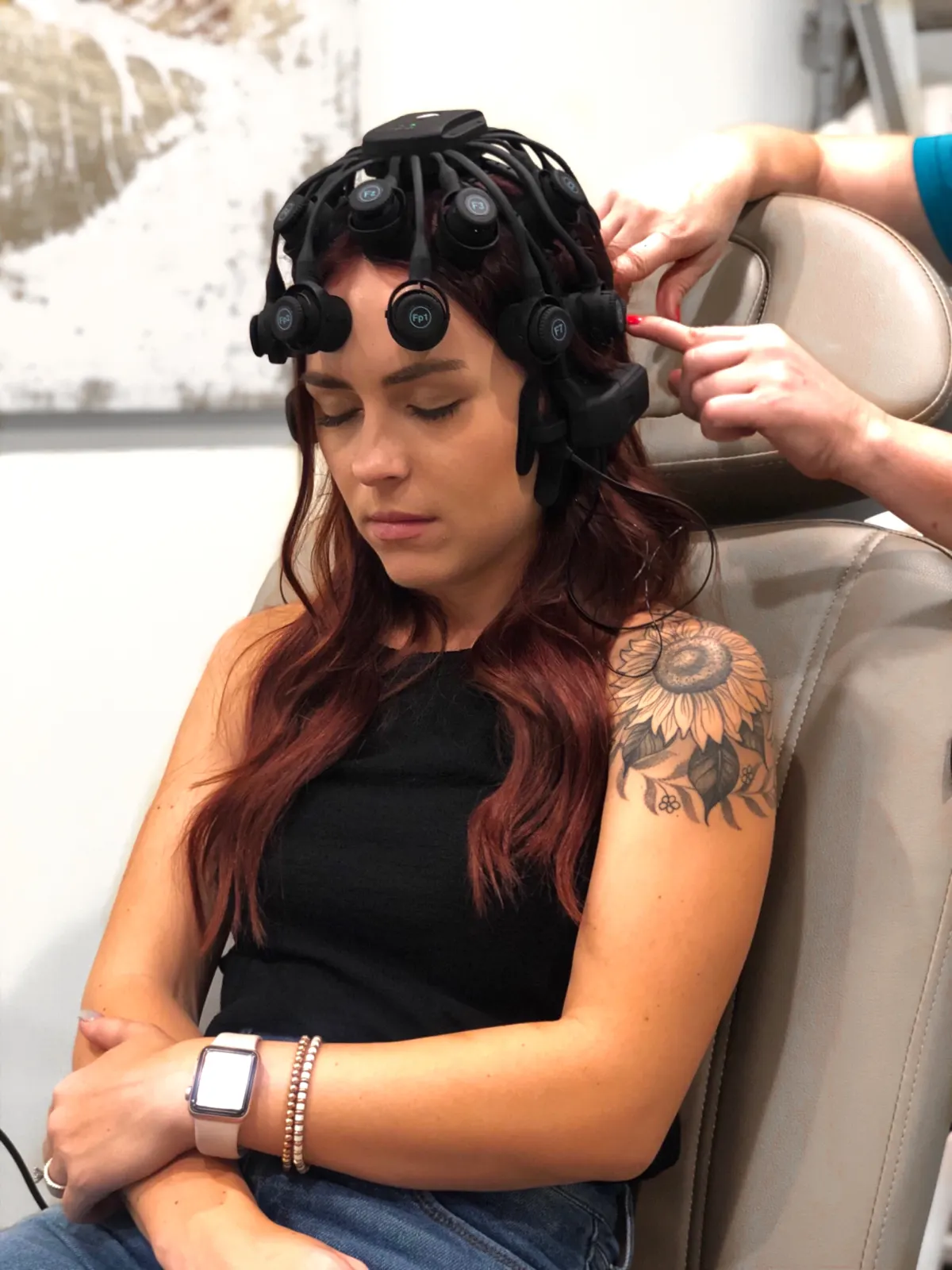
A two-phase protocol, designed to meet your nervous system where it is.
Physiological regulation first, psychological processing second.
Neurofeedback Phase
Before addressing painful memories, we use neurofeedback to calm your nervous system. Regulating brainwaves reduces day-to-day anxiety and panic, giving you the stability needed for deeper healing.
Learn about NeurofeedbackEMDR and Counseling Phase
Once the brain is more regulated, EMDR helps process specific traumatic memories, converting distressing events into standard narrative memories that no longer trigger a physical stress response.
Learn about EMDR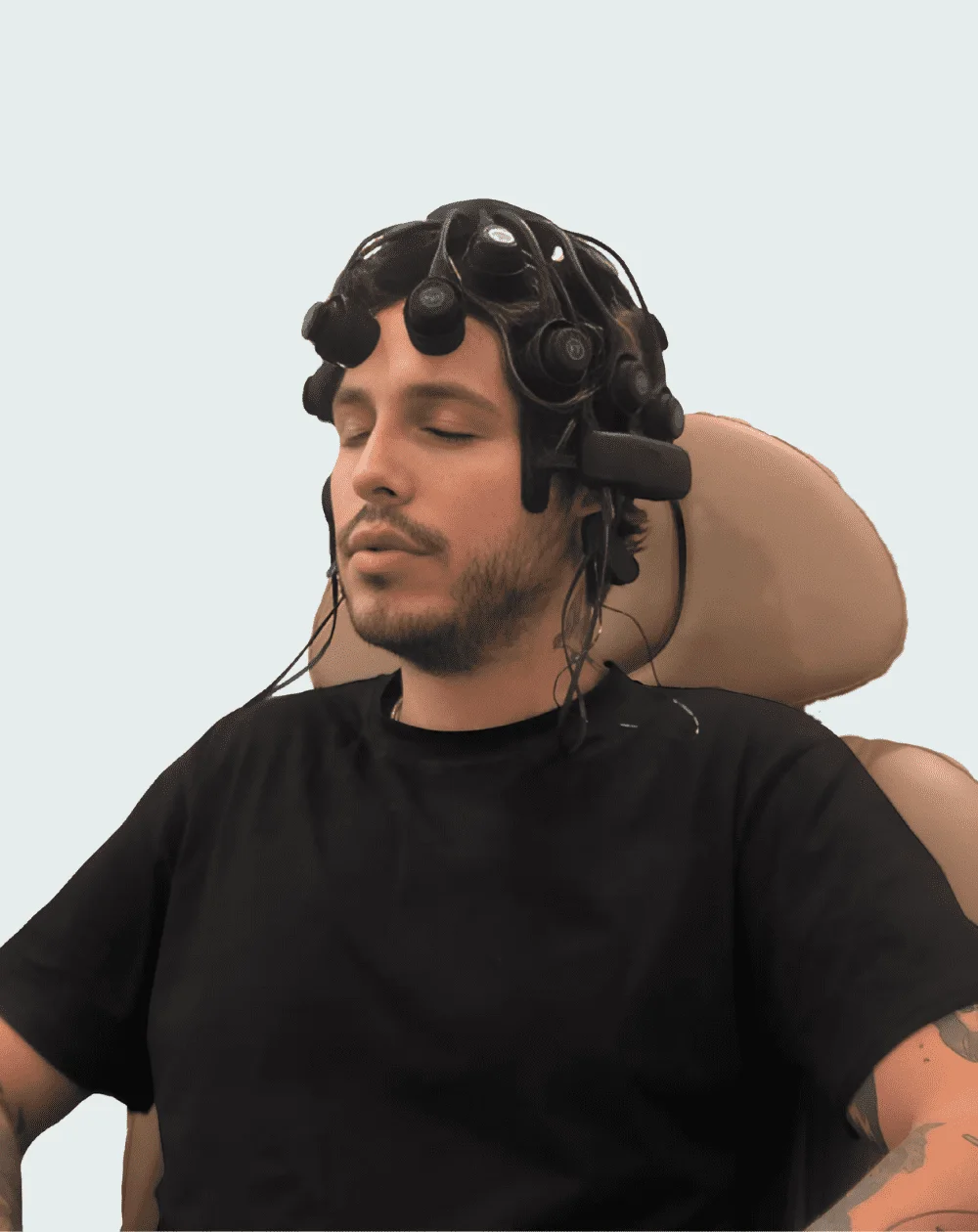
Your struggle has a biological basis. We can show you.
PTSD can feel invisible and misunderstood. qEEG Brain Mapping provides objective evidence that your experience has measurable neurological roots.
We frequently observe distinct brainwave signatures in PTSD, including overactivity in the right frontal lobes and imbalances in alpha rhythms. Seeing this data is often a profound moment of validation for our patients.
- Visual validation of your symptoms
- Baseline for tracking recovery progress
- Data-driven treatment customization
- Documentation for legal and insurance purposes
Healing starts with a single, confidential conversation.
Our intake team listens first. There is no obligation, and we will help you understand what care might look like before you commit to anything.
How does trauma change brain activity?
Trauma reorganizes the brain at a neurological level. When the nervous system experiences an overwhelming event, the limbic system — particularly the amygdala — can become hyperactivated, while the prefrontal cortex, which regulates emotion and executive function, becomes underactive. This neurological shift helps explain why PTSD symptoms persist for months or years: the brain's threat-detection system remains on alert long after the danger has passed.
Researchers using qEEG have documented distinct brainwave patterns in individuals with PTSD, including elevated high-frequency activity in right frontal regions associated with threat vigilance and disrupted alpha rhythms in areas linked to emotional regulation. Seeing this data is often a powerful moment for patients — their invisible struggle suddenly has a biological footprint. Explore more about how qEEG brain mapping works.
This is why treatment that addresses only the psychological content of trauma often falls short on its own. Neurofeedback works on the neurophysiological underpinning — the brain state — rather than the narrative alone.
What the research says
One of the most significant studies on neurofeedback and PTSD is a randomized controlled trial by van der Kolk and colleagues published in PLOS ONE in 2016. Fifty-two individuals with chronic PTSD were assigned to either neurofeedback training or a waitlist control group. Participants in the neurofeedback group received two sessions per week for twelve weeks. The study reported significant reductions in PTSD symptom severity compared to the control group, along with improvements in affect regulation capacities. van der Kolk et al., 2016 (PubMed)
This is particularly meaningful because the study enrolled participants with chronic PTSD — not recent trauma — suggesting that neurofeedback may be beneficial even for longstanding symptoms. For more on the intersection of trauma recovery and brain-based approaches, read our clinical post: Can Neurofeedback Reduce PTSD Symptoms?
Research results vary across individuals. The findings cited here reflect the published study and are not a guarantee of results for any specific patient.
What a typical protocol looks like
Because trauma affects the nervous system before the mind, our protocol for PTSD is designed in two phases. The first focuses on neurophysiological stabilization through qEEG-guided neurofeedback — calming the dysregulated brainwave patterns and building the self-regulatory foundation that deeper psychological work requires.
A standard course of neurofeedback for trauma typically includes an initial qEEG brain map, followed by 20 to 40 training sessions scheduled two to three times per week, each lasting approximately 30 to 60 minutes. We perform follow-up qEEG assessments at regular milestones to confirm the protocol is producing the intended changes and to adjust training targets as your brain responds.
Once the nervous system is in a more regulated state, our trauma-informed counseling and EMDR sessions are designed to address the psychological dimensions of trauma more effectively — building on a neurological foundation rather than working against a dysregulated one.
The information on this page is for educational purposes and is not a substitute for professional medical advice, diagnosis, or treatment. Always consult a qualified healthcare provider about your specific situation.
You don't have to navigate trauma alone.
Our clinical team is here to walk with you toward a calmer, more regulated life. Compassionate, evidence-based care designed to support your healing.
Attorney-lien friendly. Se Habla Español. Multiple Arizona locations.