See your brain's activity, mapped with precision.
qEEG Brain Mapping gives us objective, real-time data about how your brain functions, identifying dysregulation that symptoms alone cannot reveal. Every treatment plan at Neuron Connect begins here.
NeuroGuide™ Analysis
Used by the developer himself
A window into how your unique brain is wired.
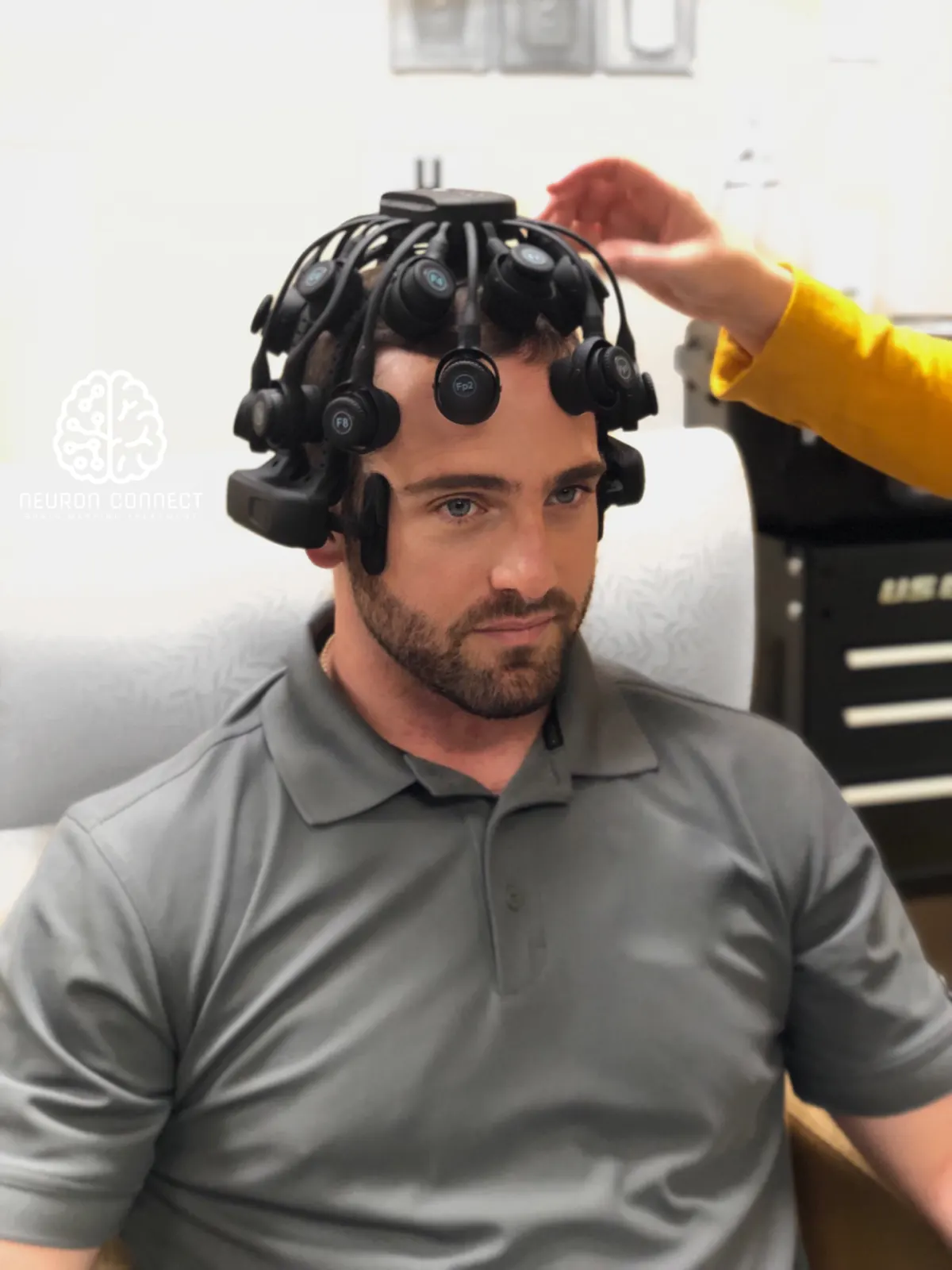
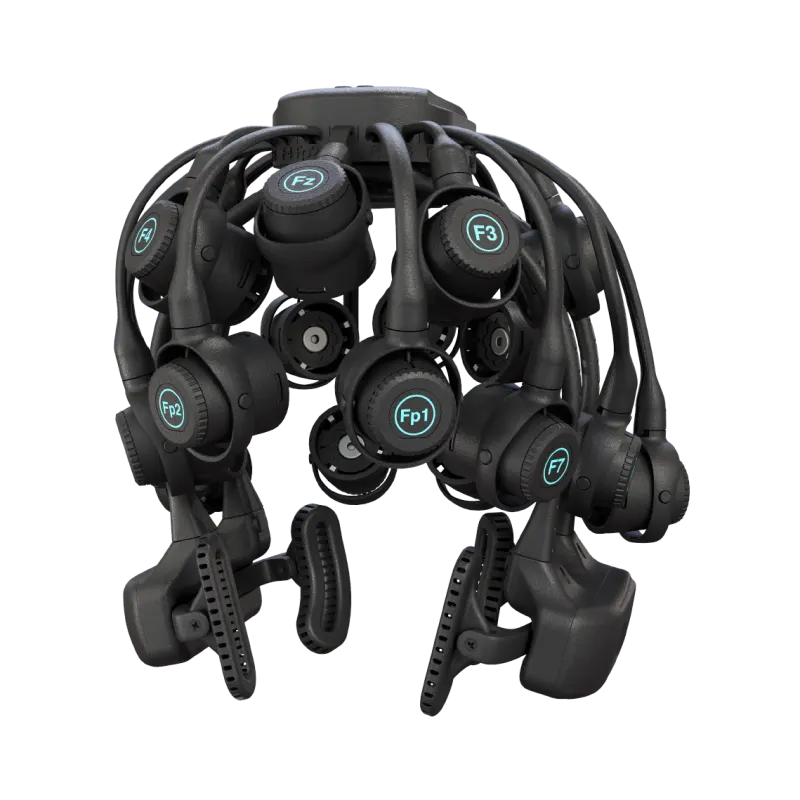
qEEG Brain Mapping uses small sensors placed on your scalp to record your brain's electrical activity in real time. A computer processes that data into color-coded topographic images, showing which regions are overactive, underactive, or out of sync.
It's called "mapping" because it produces a precise spatial picture of your brain's behavior, not a vague guess based on self-reported symptoms. That map becomes the foundation for every personalized treatment decision we make.
Pinpoint dysregulation
Objective data, not symptom guesswork
Personalized protocols
Every plan built from your map
Conditions we support
Anxiety, ADHD, TBI, PTSD, and more
Non-invasive assessment
Painless, no electrical current
Simple, painless, and highly informative.
Four steps from intake to your personalized brain map report.
01
Patient Intake
Intake forms reviewed, symptom history gathered, and a personalized clinical overview prepared before sensors touch skin.
02
EEG Recording
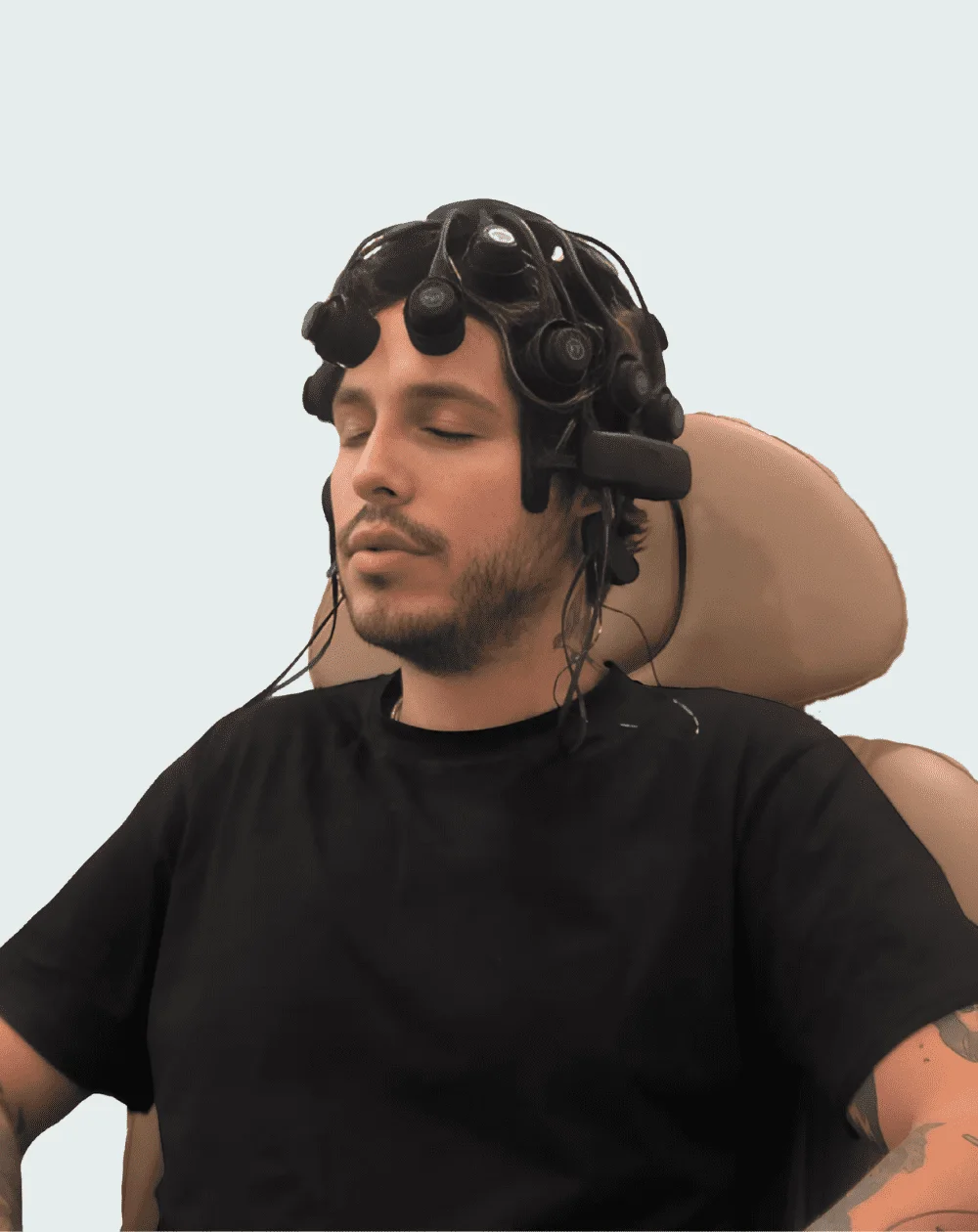
A sensor cap is placed on your scalp. Brainwave activity is recorded at rest, eyes open and closed, in a calm and comfortable room.
03
Data Analysis
Raw EEG is analyzed against age- and gender-matched normative databases to pinpoint dysregulated frequency bands.
04
Brain Map Report
Colorful topographic maps highlight overactive and underactive regions, forming the blueprint for your personalized neurofeedback protocol.
Small steps that make your brain map more accurate.
A few simple habits before your session ensure the cleanest signal and the most useful data.
- Get a full night of sleep before your appointment. Fatigue distorts brainwave patterns.
- Avoid caffeine, nicotine, and energy drinks on the day of your session.
- Eat a balanced meal beforehand. Low blood sugar affects reading accuracy.
- Wear comfortable clothing and skip jewelry or hair accessories near the scalp.
- Share any medications, supplements, or medical history with your clinician.
- Drink plenty of water. Hydration improves electrode contact and signal quality.
Brain Mapping may help people navigating a wide range of challenges.
Concussion & TBI
Post-accident brain injury recovery
Anxiety & Depression
Understanding emotional dysregulation
ADHD & Focus Issues
Identifying attention-pattern imbalances
PTSD & Trauma
Mapping an overactive nervous system
Sleep Disorders
Finding brainwave patterns tied to poor sleep
Peak Performance
Athletes and professionals seeking an edge
Children & Adolescents
Drug-free clarity for developing brains
Personal Injury Clients
Objective documentation for legal cases
Answers to common questions
A qEEG brain map produces colorful, topographic images of your brain's electrical activity across multiple frequency bands — Delta, Theta, Alpha, Beta, and Gamma. Regions that are overactive appear in warm tones; underactive areas in cooler ones. The map reveals how different parts of your brain are communicating, where dysregulation may be contributing to symptoms like poor focus, anxiety, or mood disturbances, and which neural networks may benefit most from targeted neurofeedback training.
A complete qEEG brain mapping appointment at Neuron Connect typically takes 60 to 90 minutes. The EEG recording itself, where you relax with a sensor cap while your brainwaves are measured at rest, runs approximately 20 minutes. The remaining time covers intake, sensor preparation, and initial review. Your brain map report is analyzed afterward by our clinical team and used to design your personalized neurofeedback protocol.
For the most accurate results, get a full night of sleep and avoid caffeine, nicotine, or energy drinks on the day of your session. Eat a balanced meal beforehand, since low blood sugar can affect reading accuracy, and drink plenty of water to improve electrode contact. Wear comfortable clothing and avoid jewelry or hair accessories near your scalp. Let your clinician know about any medications, supplements, or relevant medical history before your session begins.
Brain Mapping is not a standalone diagnostic tool. The patterns it reveals, combined with clinical assessment, help guide and personalize your treatment plan.
Ready to understand what's happening in your brain?
Our non-invasive qEEG Brain Map gives your clinical team the objective data needed to build a treatment plan designed specifically for you.
Attorney-lien friendly. Se Habla Español. Multiple Arizona locations.
The information on this page is for educational purposes and is not a substitute for professional medical advice, diagnosis, or treatment. Always consult a qualified healthcare provider about your specific situation.